

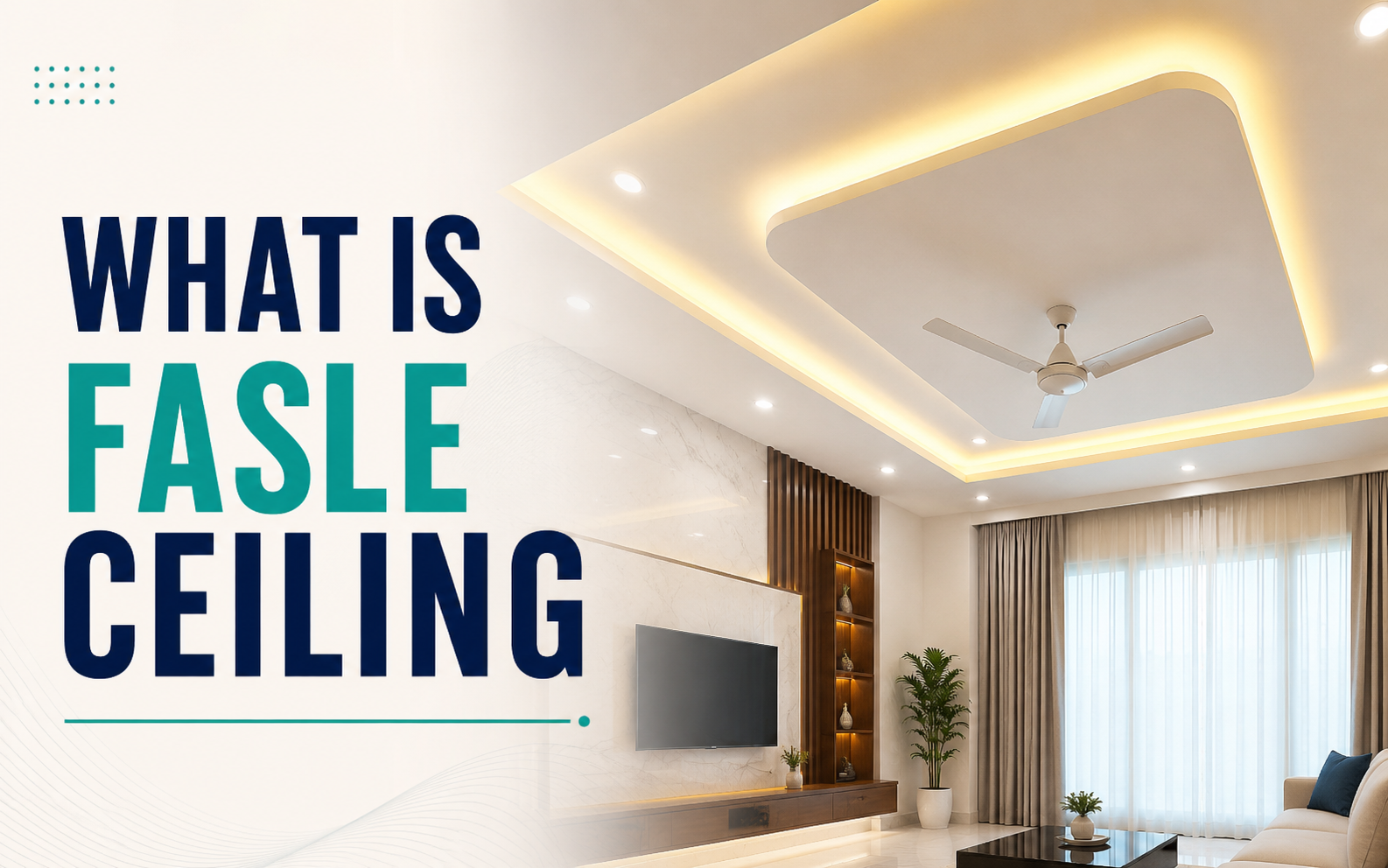
What is a False Ceiling
What is a False Ceiling? A Complete Beginner's Guide
False ceilings have become an integral part of modern interior design, offering both aesthetic appeal and functional benefits. If you're considering enhancing your living or working space, understanding what a false ceiling is and its various aspects is crucial. This guide provides a comprehensive overview for beginners, drawing insights from experts like AN False Ceiling in Coimbatore.
What is a False Ceiling?
A false ceiling, also known as a dropped ceiling or suspended ceiling, is a secondary ceiling that hangs below the main structural ceiling of a room. It creates a gap between the original ceiling and the new one, which can be utilized for various purposes. This architectural feature is not merely decorative; it serves several practical functions, transforming the ambiance and utility of any space.
Types of False Ceilings
False ceilings come in various materials, each offering unique characteristics in terms of aesthetics, durability, and installation. Here are some common types:
1. Gypsum False Ceiling
Gypsum is a popular material for false ceilings due to its lightweight nature, fire-resistant properties, and smooth finish. Gypsum boards are pre-fabricated in factories, ensuring consistency and ease of installation. They are ideal for creating seamless designs and can be molded into various shapes.

2. POP (Plaster of Paris) False Ceiling
Plaster of Paris (POP) is a versatile material that allows for intricate designs and patterns. It is applied as a paste and then allowed to dry, making it highly adaptable for custom shapes and artistic finishes. POP ceilings require skilled craftsmanship for installation but offer immense design flexibility.
3. Grid False Ceiling
Grid false ceilings, often seen in commercial spaces, consist of a metal grid system where tiles are laid. These are easy to install and maintain, as individual tiles can be removed for access to the plenum space above. They are known for their practicality and cost-effectiveness.

4. Armstrong False Ceiling
Armstrong false ceilings are a type of grid ceiling known for their acoustic properties and durability. They are commonly used in offices, educational institutions, and healthcare facilities where sound control and easy maintenance are essential.

5. Sound Proof False Ceiling
Designed specifically to reduce noise transmission, soundproof false ceilings incorporate materials that absorb or block sound waves. These are particularly beneficial in environments requiring acoustic privacy, such as recording studios, home theaters, or conference rooms.

6. Gypsum Board Wall Partition
While not strictly a false ceiling, gypsum board is also widely used for creating wall partitions. These partitions offer flexibility in space management, sound insulation, and a smooth surface for various finishes.

Benefits of False Ceilings
False ceilings offer a multitude of advantages that contribute to both the functionality and aesthetics of a space :
|
Benefit |
Description |
|
Enhanced Aesthetics |
False ceilings add dimension, depth, and a sophisticated look to any room. They can be designed in various shapes and patterns. |
|
Heat Reduction |
The air gap between the two ceilings acts as an insulating layer, significantly reducing heat transfer and keeping the room cooler. |
|
Noise Reduction |
Materials used in false ceilings, especially soundproof types, help in absorbing sound, leading to better acoustics and reduced noise. |
|
Concealment |
They effectively hide unsightly electrical wires, plumbing pipes, air conditioning ducts, and other structural elements. |
|
Energy Savings |
By providing insulation, false ceilings help in maintaining room temperature, thus reducing the need for excessive heating or cooling. |
|
Lighting Integration |
False ceilings allow for creative lighting solutions, including recessed lighting, cove lighting, and other decorative fixtures. |
|
Fire Safety |
Many false ceiling materials, like gypsum, offer fire-resistant properties, enhancing the safety of the building. |
Installation Process (General Steps)
The installation of a false ceiling typically involves several key steps, though these can vary based on the material and design complexity :
1. Site Measurement and Planning: Accurate measurements are taken, and a detailed plan is created, considering the design, lighting, and other integrations.
2. Frame Installation: A metal framework (grid or channels) is securely attached to the main ceiling and walls.
3. Board Fixing: The chosen false ceiling material (gypsum boards, POP sheets, etc.) is then fixed onto the installed framework.
4. Electrical and Other Integrations: Wiring for lights, fans, and other fixtures is laid out in the plenum space before the final boards are fixed.
5. Finishing: Joints are taped and filled, and the surface is smoothed. This is followed by priming and painting to achieve the desired finish.
Conclusion
False ceilings are a valuable addition to any modern space, offering a blend of aesthetic enhancement and practical benefits. From improving thermal insulation and acoustics to concealing utilities and providing design flexibility, they play a significant role in creating comfortable and visually appealing environments. Whether for residential or commercial applications, choosing the right type of false ceiling can significantly elevate the overall quality and functionality of a space.